
Yerba Maté
The Art of Argentinian Tea

Background/History:
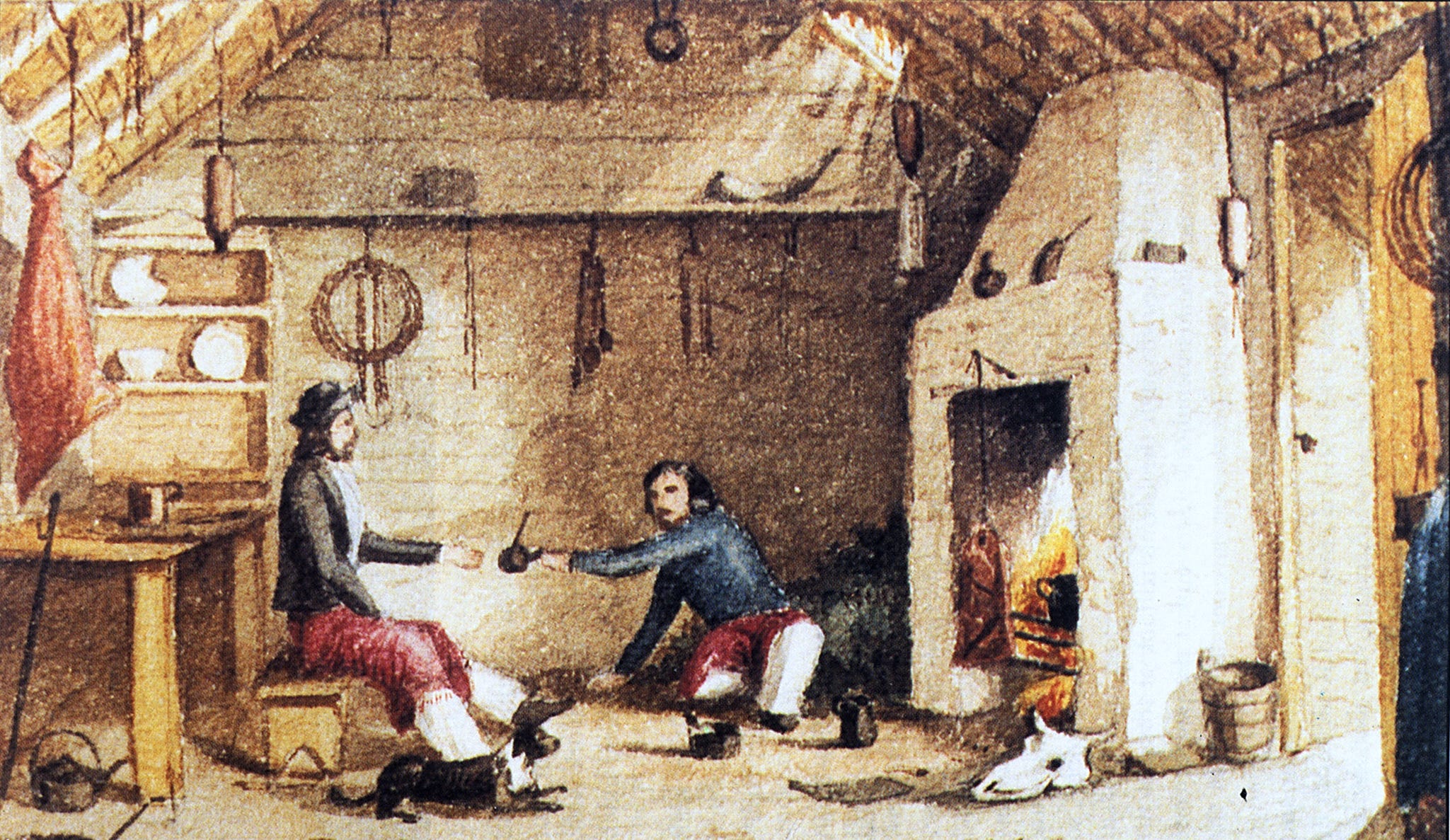
The plant known as yerba mate, or Illex paraguariensis, is indigenous to the subtropical jungles of South America. These areas are present-day Uruguay, southern Brazil, northern Argentina, and Paraguay. Maté was first cultivated and consumed by the Guarani people, who regarded the plant as a gift from the gods. Furthermore, maté has historically been used for its stimulating properties, working as a social, medicinal, and spiritual beverage.
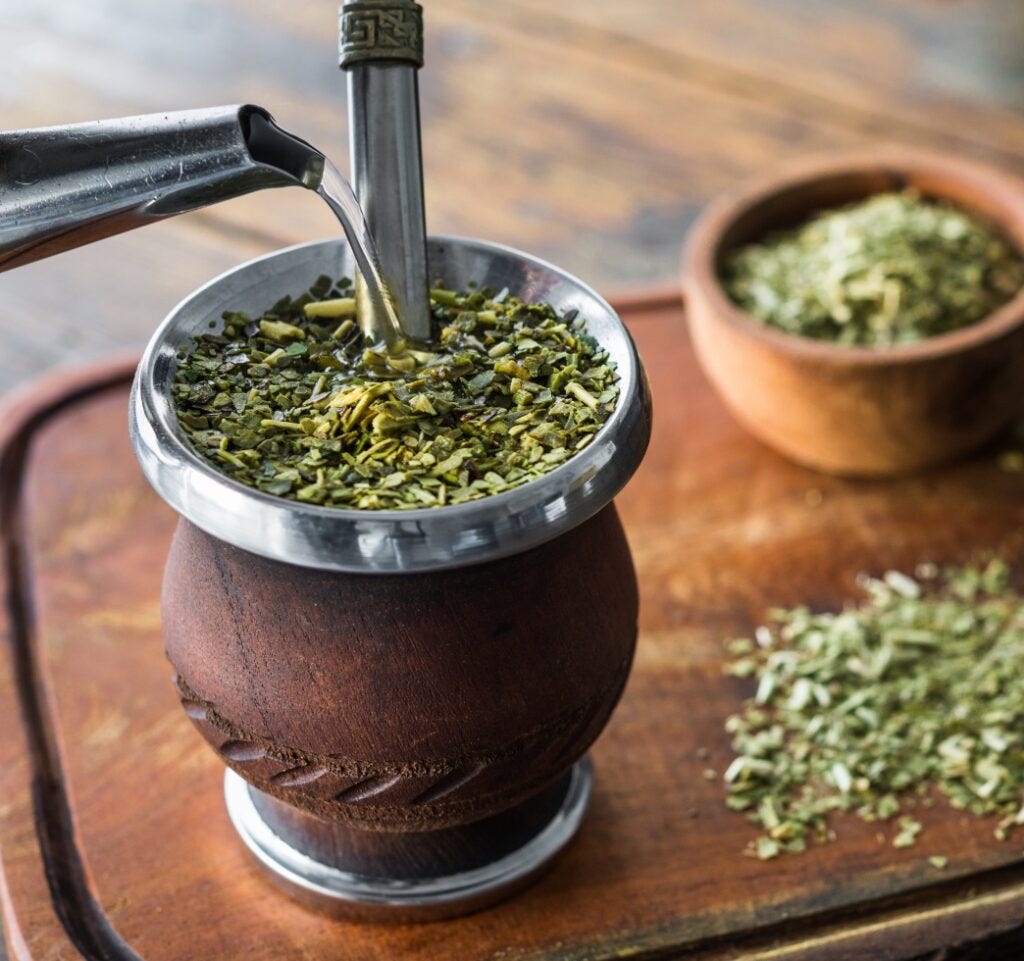
After drying and crushing the leaves, the Guarni soaked them in hot water in a gourd (a special kind of cup). Interestingly, a single gourd was used to distribute the beverage along with a bombilla (metal straw), illustrating the tea’s use to bring together communities with respect and trust.
Colonial Impact and Spread:
In the 16th century, Spanish colonists brought yerba maté to South America after witnessing its popularity with native populations like the Guarani. The Spanish were initially wary of its use, viewing the tea and its drinking method as “pagan” customs that were intertwined with the natural world.
However, the plant’s cultivation and commercialization were aided by several Jesuit missionaries, becoming a significant economic commodity during the 17th century as a result of the missionaries’ systematization of its production in their missions, especially in Paraguay. The tea gained popularity throughout colonial areas while under Jesuit rule. Commercial production continued with the expulsion of the Jesuits in the 18th century, particularly in Paraguay and later Argentina, where maté is still a national symbol.
Incorporation in America:
In North America, yerba maté has gradually gained popularity, especially among generations that value health-conscious lifestyles. Until the late 20th and early 21st centuries, when the tea started to be promoted as a natural energy drink with antioxidant qualities and was frequently compared to green tea and coffee ingredients, maté was mainly unknown in the United States.
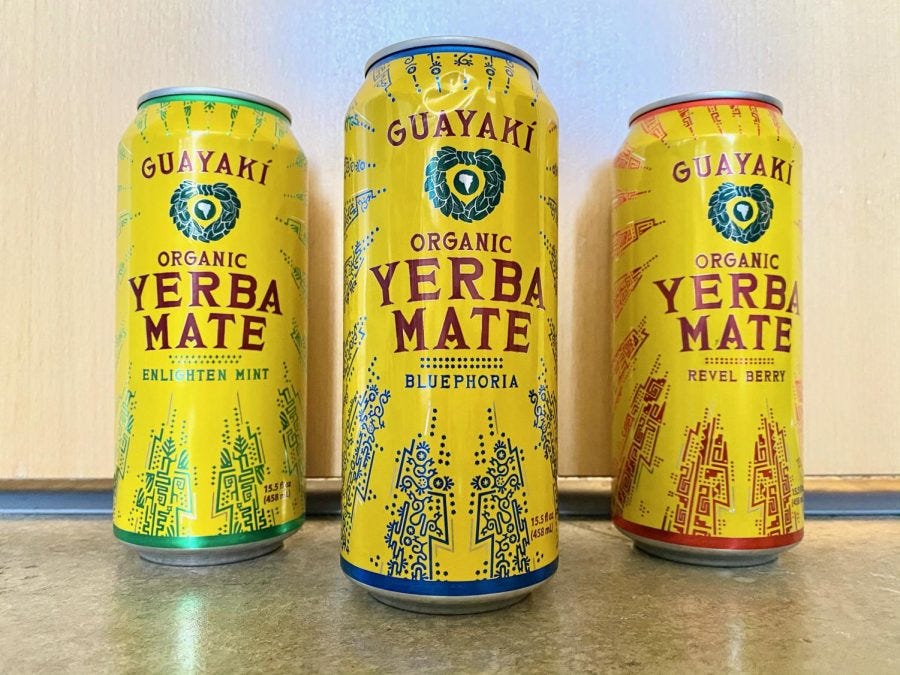
Through organic branding that prioritized sustainability and indigenous customs, companies like Guayaki helped popularize yerba maté in the United States. This is also part of a larger movement to commodify indigenous and global South traditions for Western consumption, frequently removing them from their rich cultural background.
Our Experience:
We purchased Guyaki yerba maté, a gourd, and bombilla online and tried to make the drink ourselves, following youtube tutorials and TikToks on how to make/drink the tea traditionally.
After trying the tea in the traditional manner with the leaves in the gourd, we tried to recreate the “Western” version by straining out the leaves and adding honey and creamer.
Overall, we enjoyed the tea, but both agreed that it did not live up to our expectations because we made it ourselves, instead of trying one made by an expert.
Here is a montage from our journey: